
FIELD NOTES
KNOWLEDGE EARNED THROUGH EXPERIENCE.
WORKING CANINE TRAINING • BEHAVIOR • DEVELOPMENT • FIELD PERFORMANCE
The difference between a trained dog and a dependable working canine is not measured by appearance, pedigree, equipment, or a single successful exercise.
It is demonstrated through behavior, consistency, sound judgment, and performance under changing conditions.
Welcome to FIELD NOTES, the professional knowledge and educational journal of Kriegerhund K9.
Developed from more than two decades of professional canine training and behavior work, Field Notes examines the principles, practices, and decisions that shape capable working dogs and responsible handlers.
Our focus extends beyond teaching a dog to perform a task. We examine how working dogs learn, how behavior develops, how performance should be evaluated, and how training can be structured to produce reliable, sustainable results.
Field Notes brings together practical instruction, professional observations, technical discussions, equipment considerations, and working-canine development resources.
Our subjects include:
Canine Behavior & Learning — Understanding drives, motivation, arousal, stress, behavioral clarity, and the principles that influence learning and performance.
Working Dog Development — From puppy selection and foundational development through advanced training and operational suitability.
Training Methodology — Building reliable behaviors, effective reinforcement, clear communication, and measurable progression.
Tracking, Trailing & Detection — Examining scent-work foundations, environmental influences, training design, and objective performance assessment.
Operational Readiness & Evaluation — Evaluating capability, limitations, handler performance, training deficiencies, and continuing development.
Equipment & Field Testing — Practical considerations in selecting, evaluating, and using equipment intended for demanding canine work.
Canine Health, Conditioning & Welfare — Supporting physical readiness, responsible workload management, recovery, and long-term working capability.
FROM THE TRAINING FIELD TO THE WRITTEN RECORD
Effective canine development requires more than repetition. It requires observation, evaluation, adjustment, and accurate documentation.
A successful exercise should answer more than whether the dog completed the task. It should help the handler understand what the dog demonstrated, what influenced performance, and what needs to happen next.
That philosophy informs our training programs, canine evaluations, educational resources, and Kriegerhund K9 Training Log.
TRAIN WITH PURPOSE. EVALUATE WITH OBJECTIVITY. DOCUMENT THE WORK.
BUILT FOR THE PEOPLE BEHIND THE DOGS
Field Notes is written for professional working-dog handlers, military and law-enforcement K9 personnel, search-and-rescue teams, trainers, breeders, and dedicated owners committed to developing capable, stable, and reliable dogs.
Not every article will apply to every dog, discipline, or training objective. The purpose is not to promote a single universal method, but to encourage informed decisions based on sound training principles, careful observation, and the needs of the individual dog.
Our commitment is to practical education, professional standards, responsible canine development, and continuous learning.
THE WORK MATTERS. THE DETAILS MATTER. THE DOG MATTERS.
Field Notes | Kriegerhund K9
Professional working canine training, behavior, development, and field-tested performance.
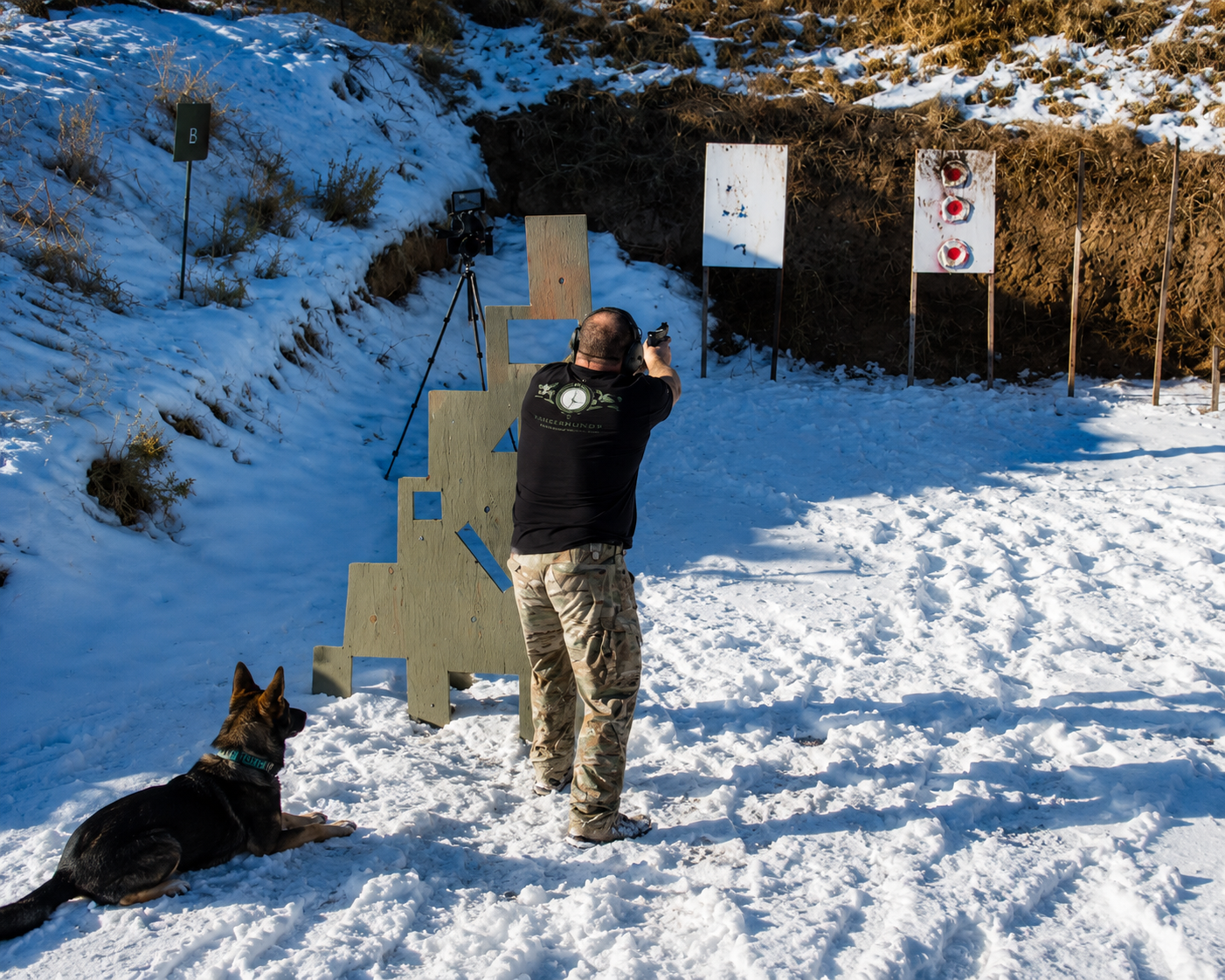
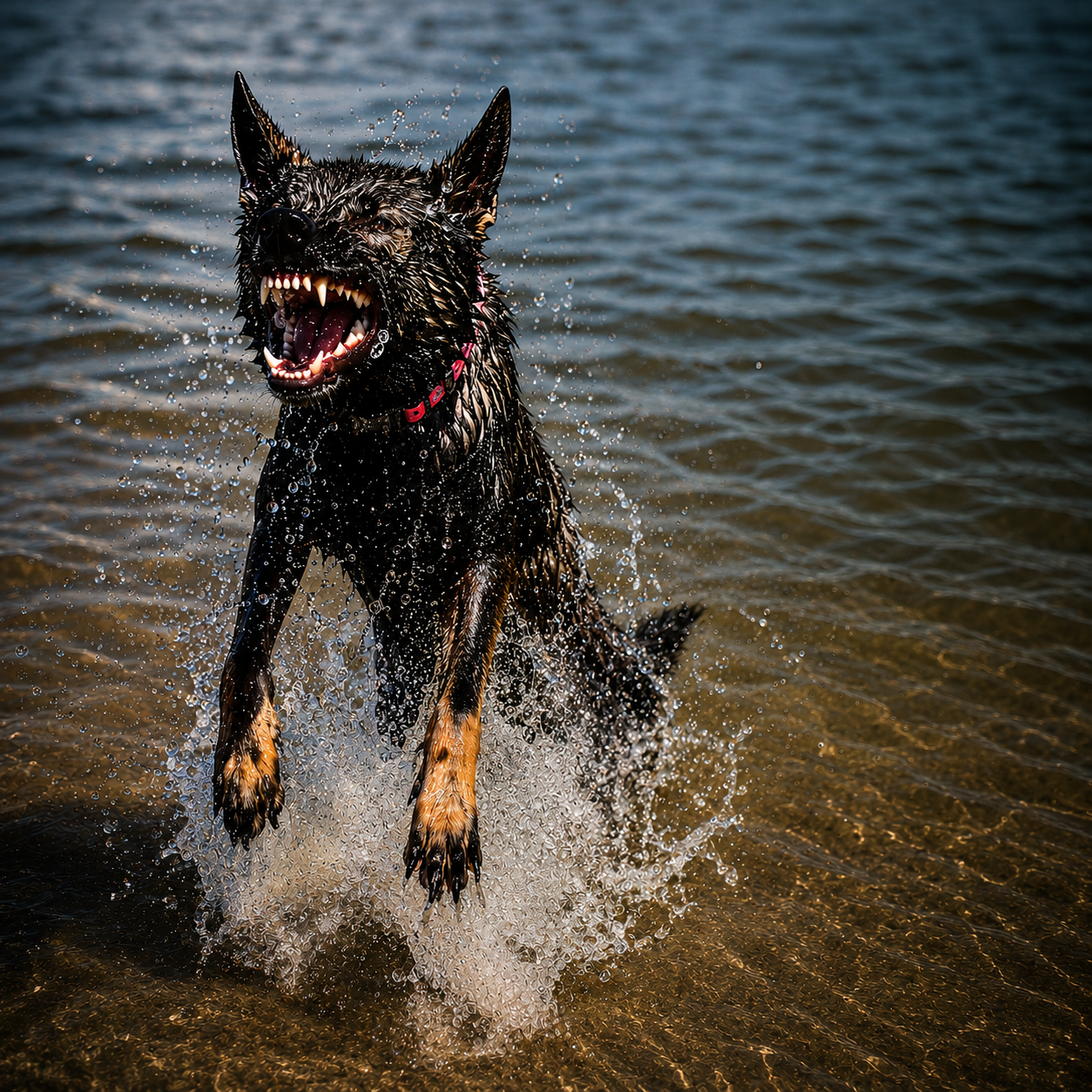
German Shepherd Protective vs Reactive: Key Signs
Your German Shepherd barks at strangers, lunges on leash, or guards your property. Is that genuine protectiveness—or fear, frustration, and reactivity? Discover what these behaviors actually mean, why aggression doesn't prove protection ability, and how professional evaluation distinguishes behavioral stability from uncontrolled reactions.
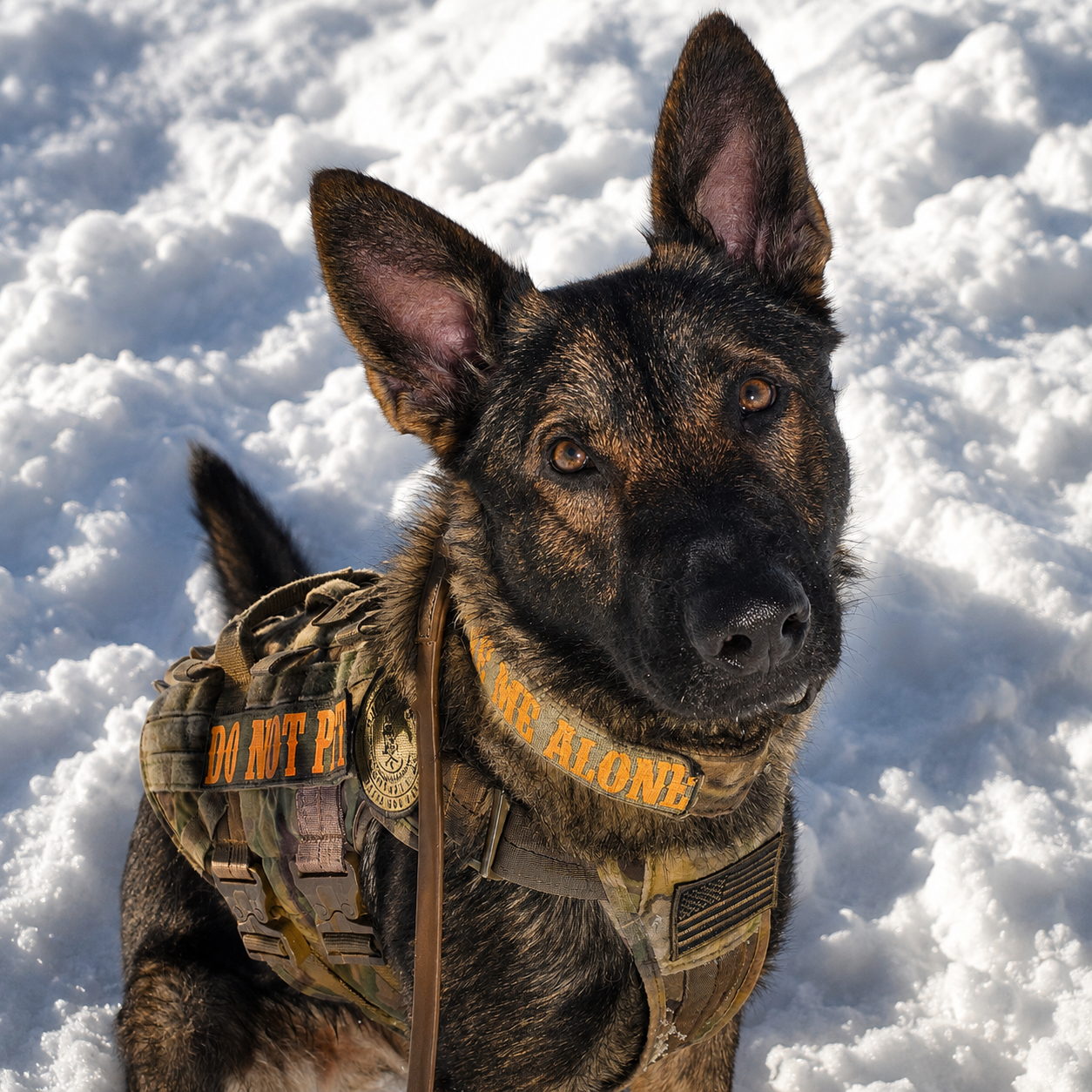
Why a Successful Training Exercise Does Not Automatically Mean a Reliable Working Dog
A working dog can complete a training exercise successfully without demonstrating reliable operational capability. Discover how behavioral generalization, environmental variability, progressive proofing, repeated performance, and blind testing distinguish isolated success from validated working dog proficiency. An evidence-based guide for professional K9 trainers, handlers, and evaluators.
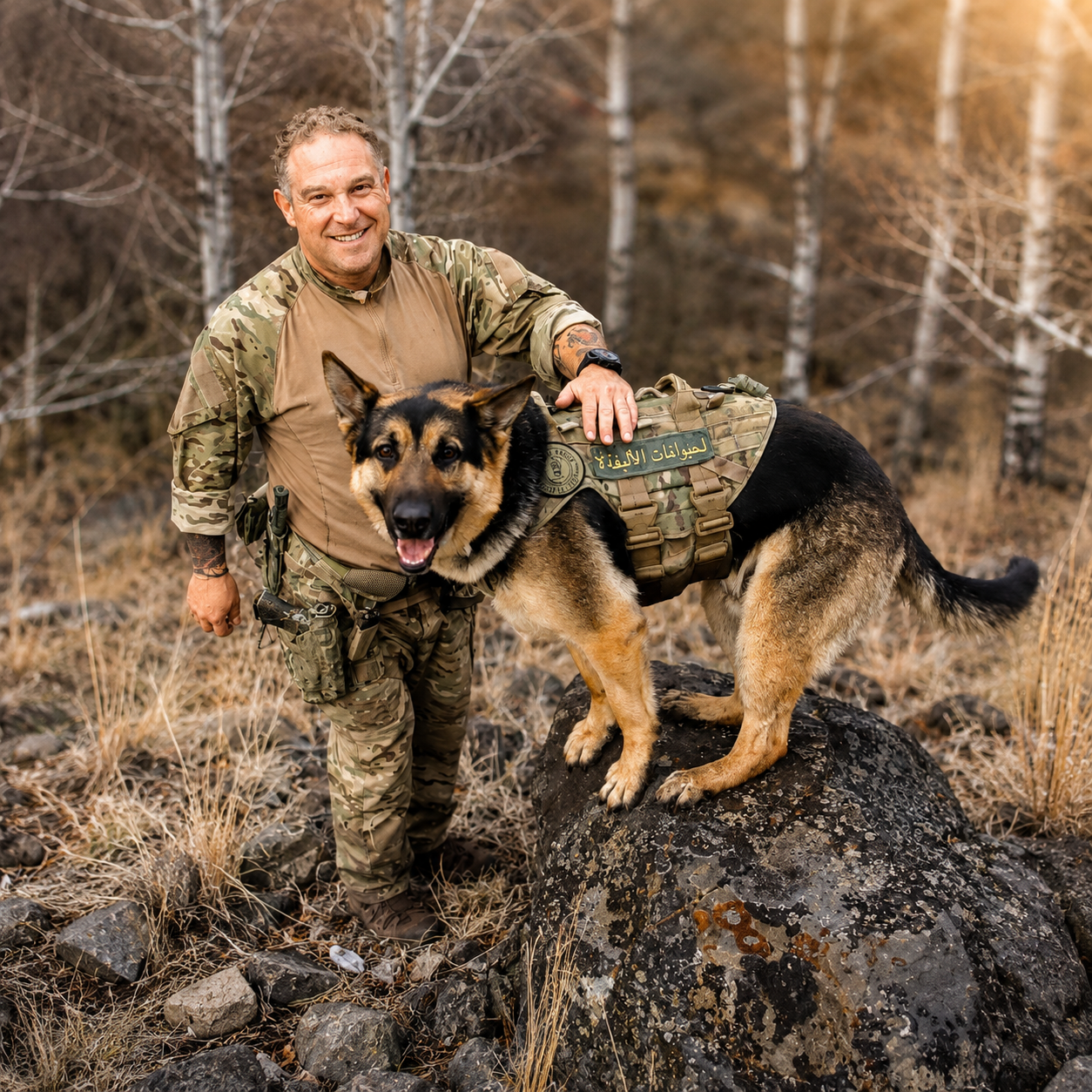
Working Dog Equipment: Fit, Safety & Field Testing
Not all tactical dog equipment performs as advertised. Discover how professional K9 handlers evaluate harnesses, collars, leashes, and operational gear through objective fit assessments, safety inspections, durability testing, and documented field performance. Learn why manufacturer claims, component ratings, and tactical appearance cannot replace verified results.
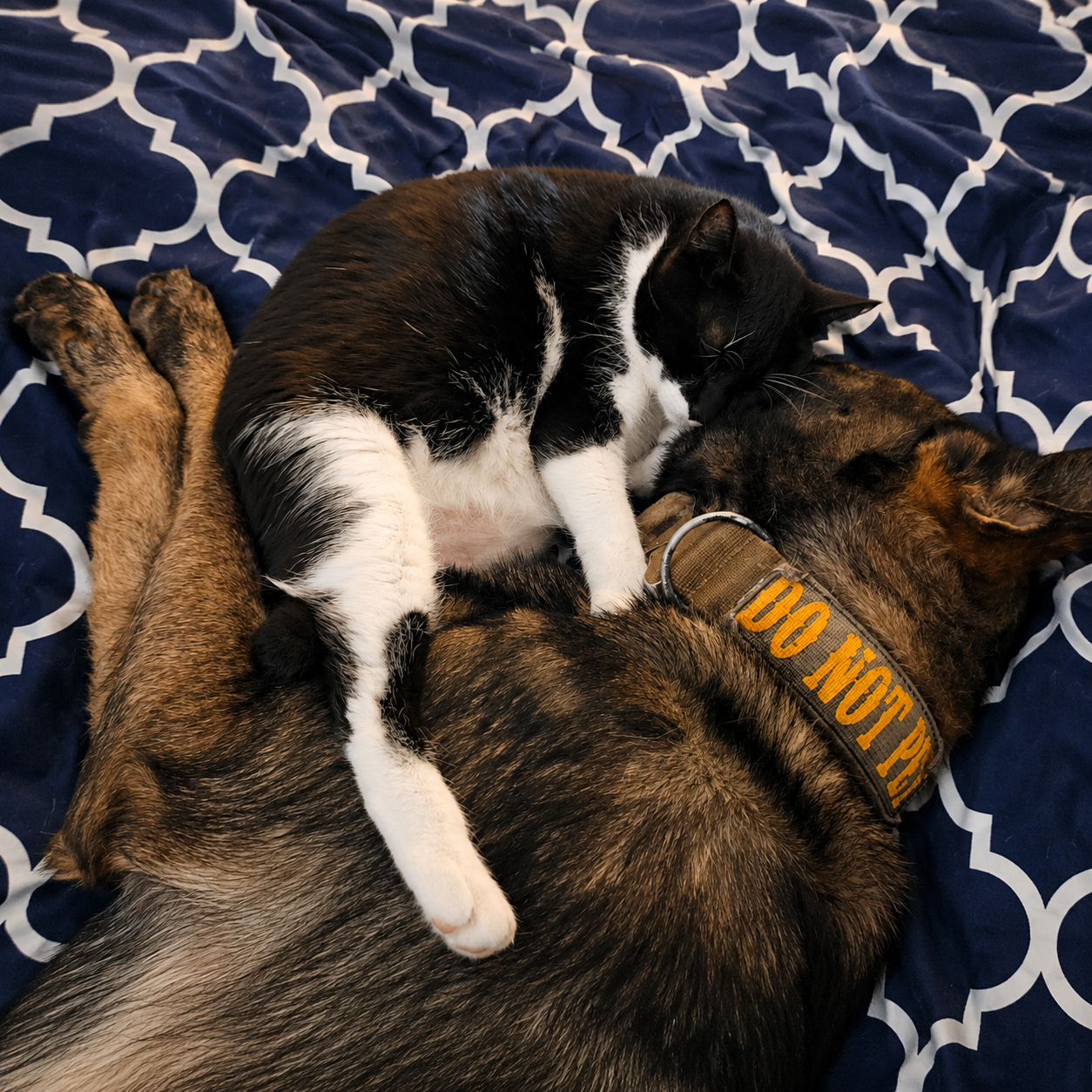
Working Dog Off Switch: Training Calm & Recovery
A high-drive working dog should be capable of more than intense performance. Discover why behavioral recovery, arousal regulation, environmental adaptation, and the ability to settle are essential considerations in developing reliable working-line German Shepherds, police K9s, detection dogs, and other professional working dogs. Learn practical training strategies and observable indicators of an effective off switch.
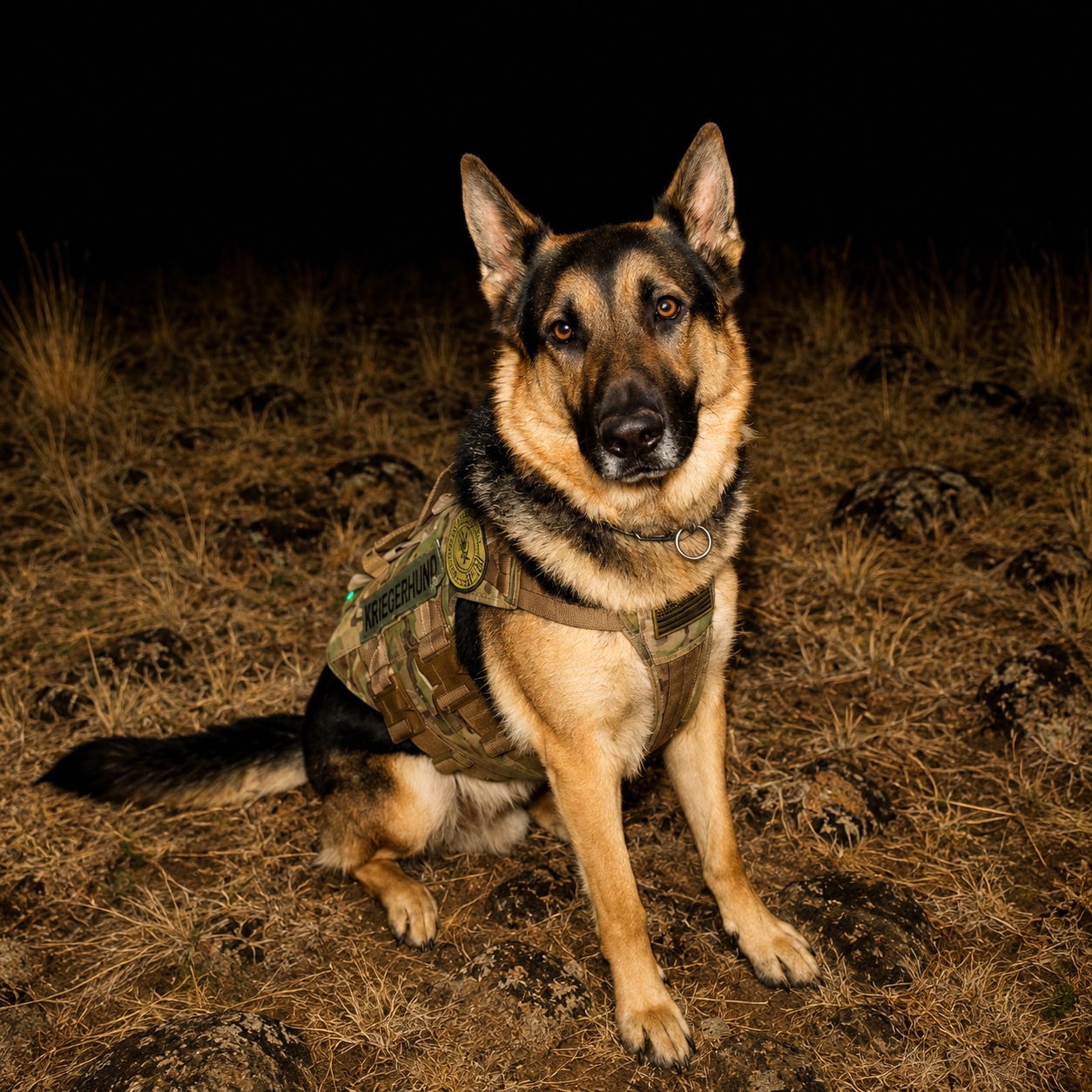
Tracking vs. Trailing: Understanding the Differences in Working Canine Scent Work
Tracking and trailing are closely related canine scent-work disciplines, but their terminology, training methods, and operational applications can differ. Explore how working dogs follow human scent, how wind, terrain, contamination, and trail age affect performance, and why independent evaluation matters for law enforcement and search and rescue K9 teams.
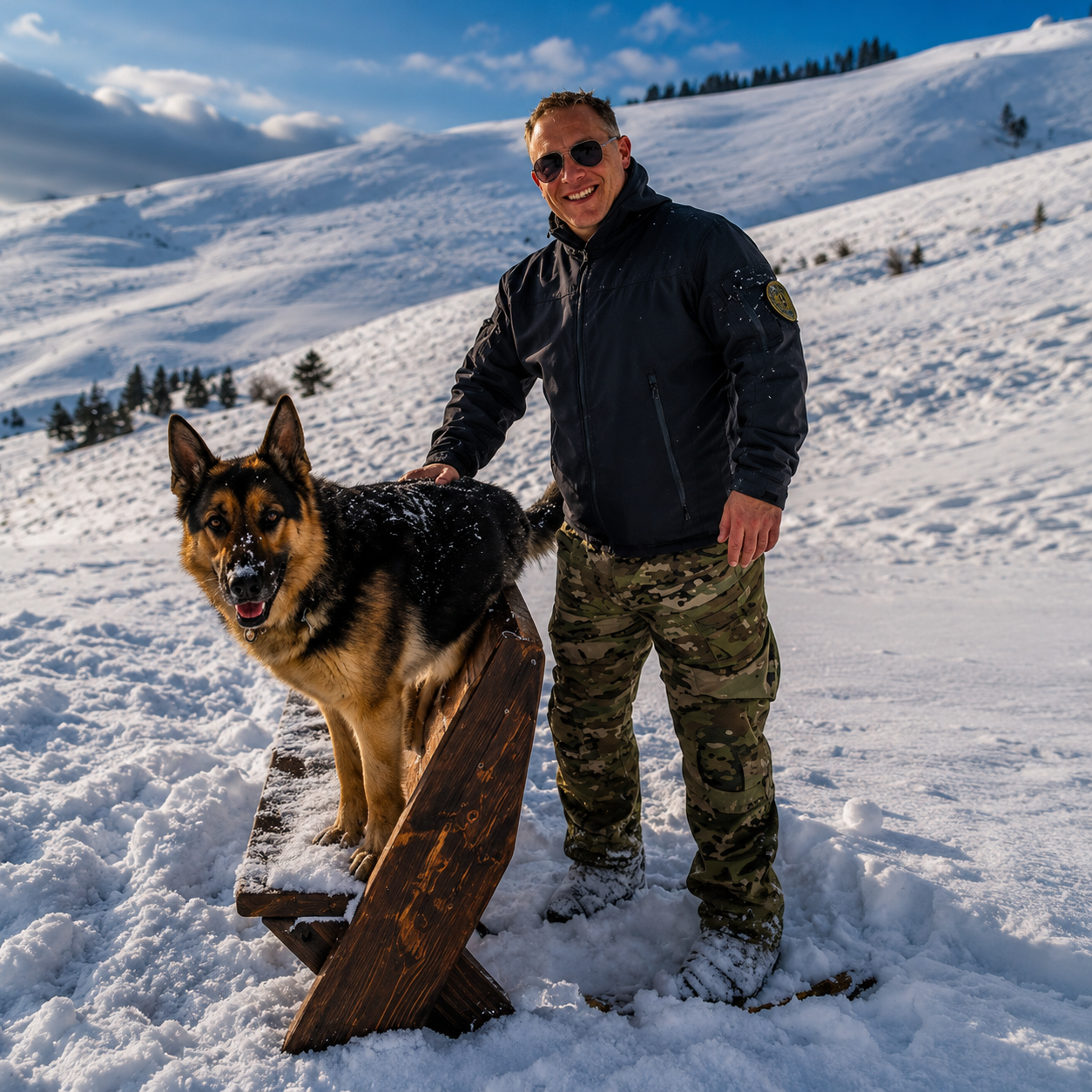
Working Dog Training Rewards: Timing, Value & Selection
Effective working dog training requires more than high-value treats. Learn how professional K9 handlers select rewards, optimize reinforcement timing, manage food portions, and maintain motivation across demanding training environments. Discover how Kriegerhund K9 Performance Rewards fit into a comprehensive reinforcement strategy built around behavioral clarity, consistent performance, and measurable training progress.
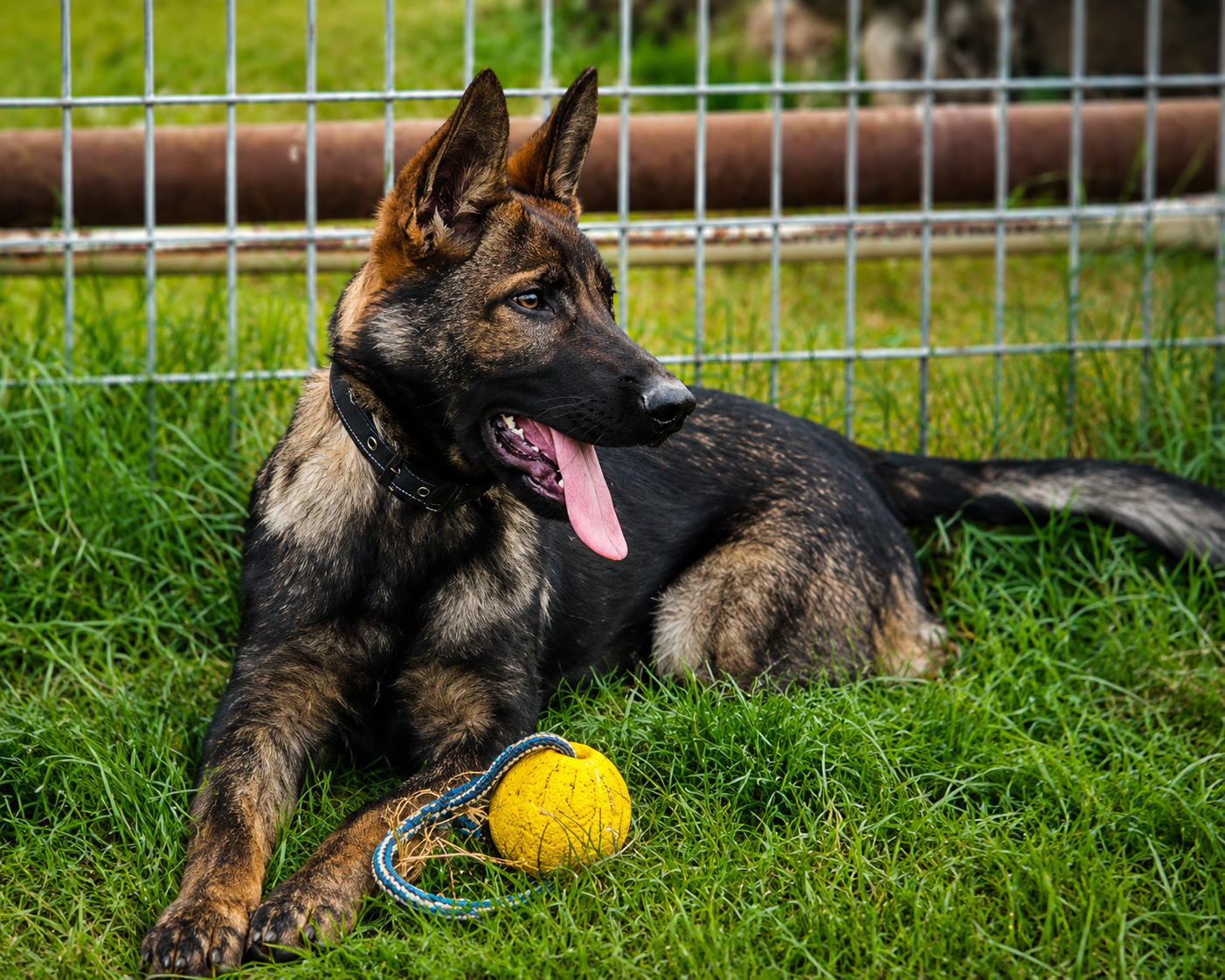
Selecting a Working Dog Puppy: Why Pedigree Alone Is Not Enough
An exceptional pedigree does not guarantee an exceptional working dog. Discover how professional trainers evaluate working-line German Shepherd puppies through pedigree research, genetic health testing, parental temperament, environmental confidence, drive, and early behavioral development. Learn why selecting the right working dog requires more than championship bloodlines—and why individual suitability matters more than reputation alone.

How to Document Canine Training: Building Records That Actually Matter
Effective dog training records capture more than completed exercises. Learn how to document objectives, duration, conditions, behavior, performance, and follow-up to make better training decisions.
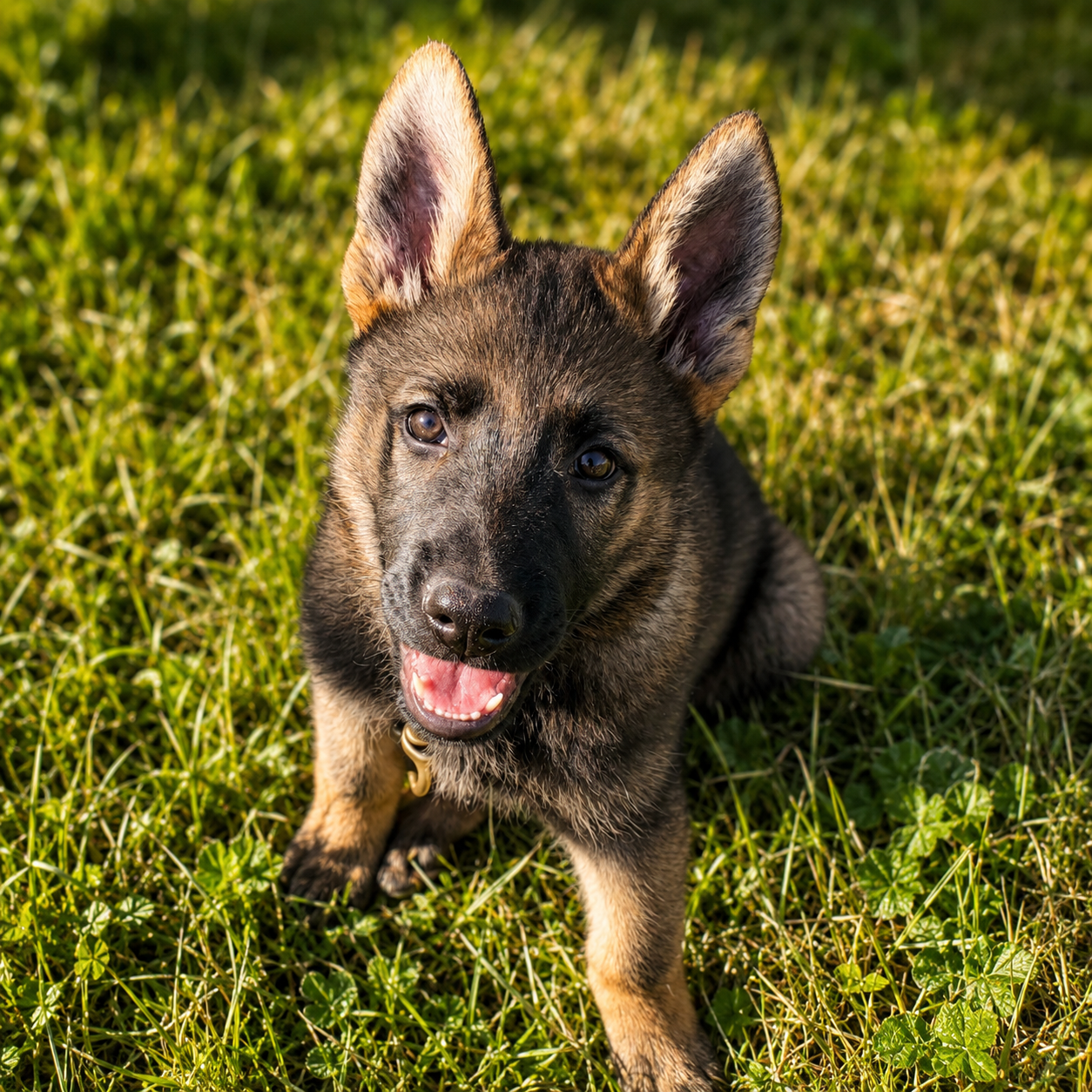
Working-Line German Shepherd Puppy Training: 8 Weeks to 12 Months
Raising a working-line German Shepherd puppy requires more than obedience training. Discover a professional, age-by-age development guide from 8 weeks to 12 months covering socialization, environmental confidence, positive reinforcement, impulse control, adolescence, and recovery. Learn how to build the behavioral and physical foundations for a confident, stable, and capable working dog with expert guidance from Kriegerhund K9.
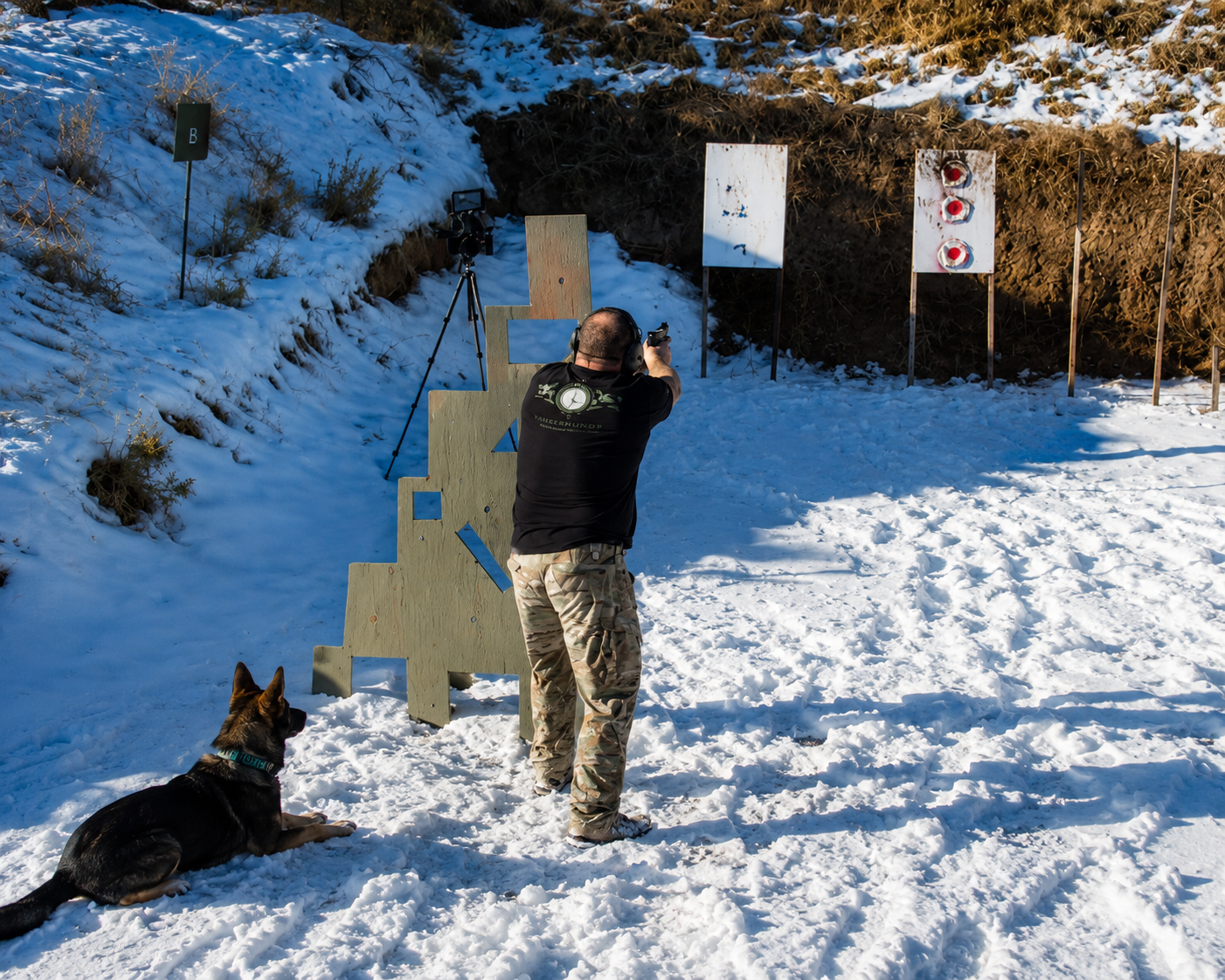
Dog Training Drive vs. Arousal: What Makes a Reliable Working Dog?
High drive does not always mean high performance. Learn the difference between working dog motivation and uncontrolled arousal, and discover how emotional regulation, training clarity, and recovery contribute to reliable canine performance.
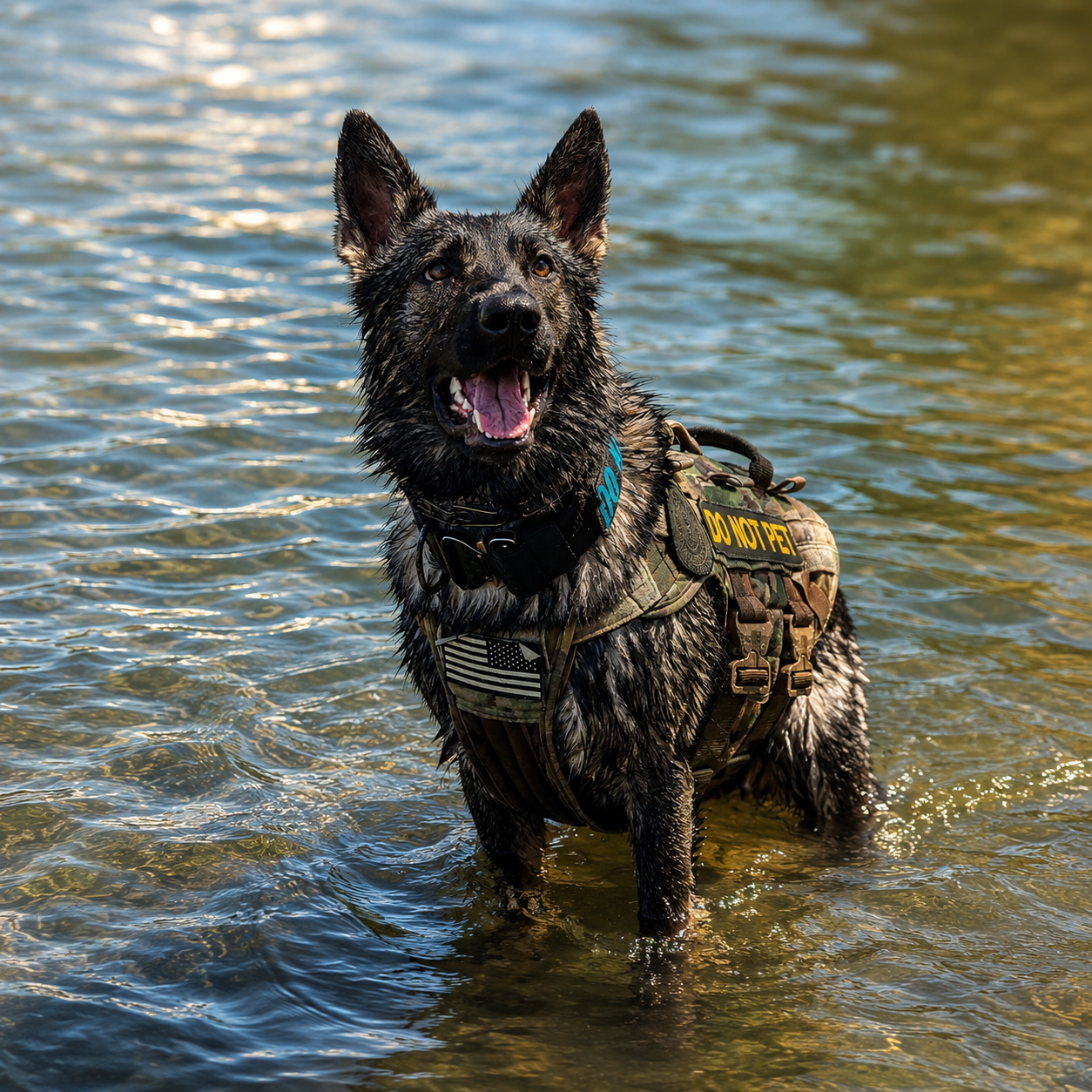
Working Dog Temperament: What Actually Determines Operational Suitability?
High drive alone does not make a dog operationally suitable. Discover how environmental confidence, recovery, behavioral stability, and functional motivation influence working dog selection—and why one temperament test cannot tell the whole story.